The Destroyer of Worlds
and Saving the Planet:
The Curiosities of History
for April 22nd
The Destroyer of Worlds
and Saving the Planet:
The Curiosities of History
for April 22nd
Here’s something positive for connoisseurs of the curiosities of history:
three intriguingly diverse historical novels have just been re-issued!
Traitor’s Field tells of the extraordinary struggle in the shadows between the last great royalist spymaster of the British civil wars, and a young official in Oliver Cromwell’s service who would himself become the power behind the state.
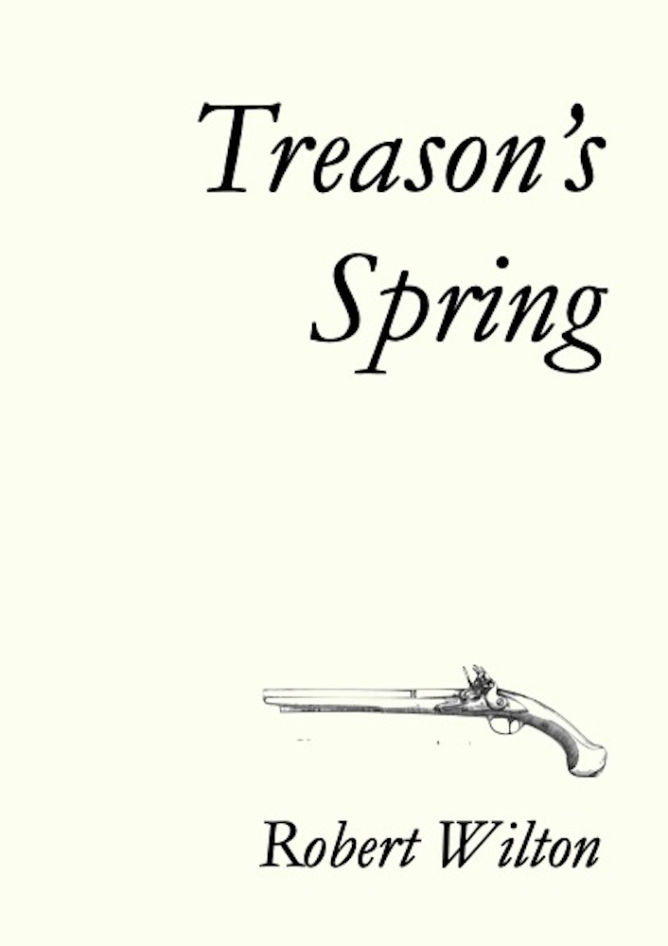
Treason’s Spring is a dark thriller of the French Revolution, as the agents of all the great powers hunt a trove of documents that will upheave European stability, while the guillotine’s blade rises over them.
Treason’s Tide is the sequel, as a man with no identity struggles to uncover a conspiracy before Napoleon’s armies can be launched against England. All three are built around documents drawn from the secret archive of the Comptrollerate-General for Scrutiny and Survey.
And all three are out now, at intriguingly generous prices, on Kindle - which means that no trees have been or will be involved in their production.
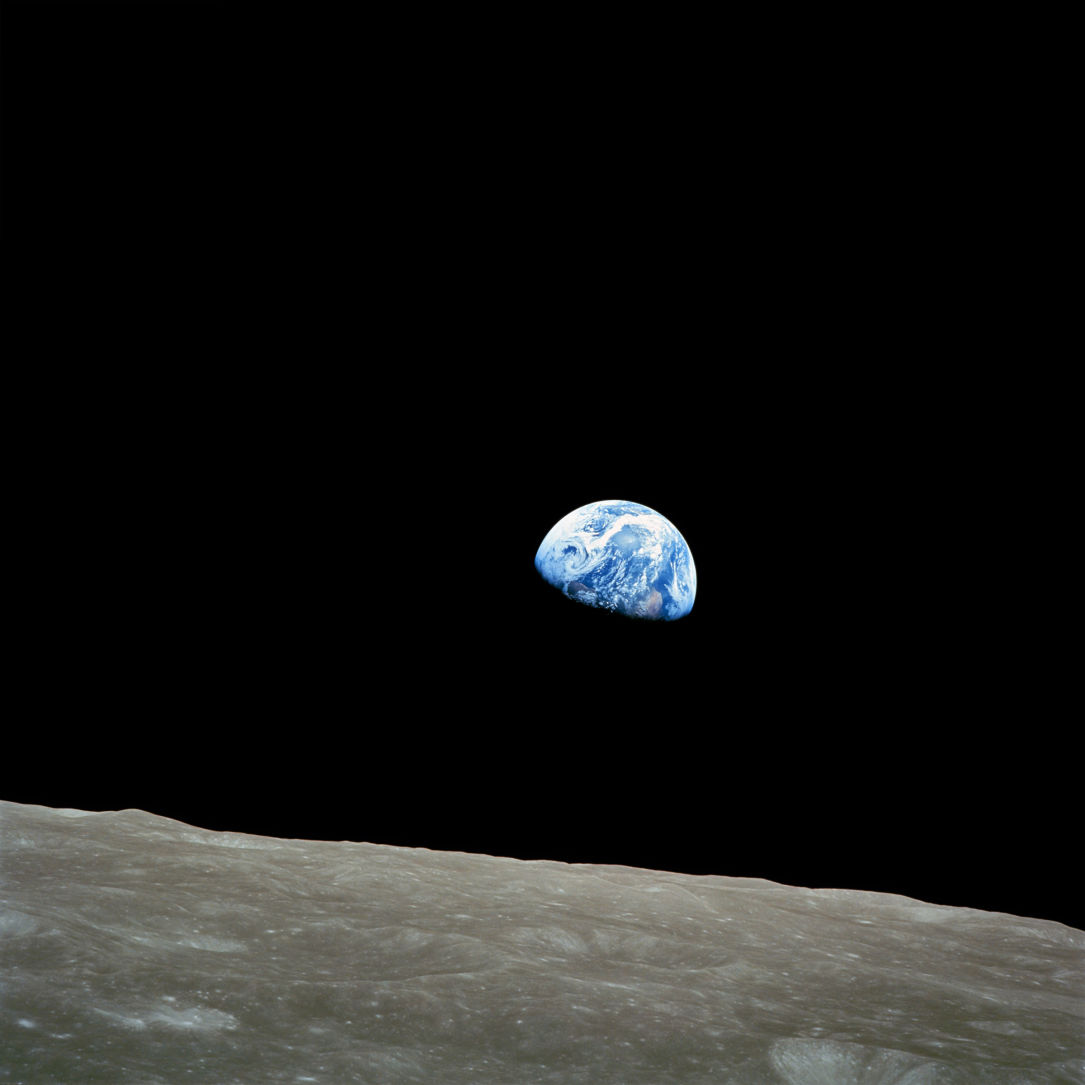
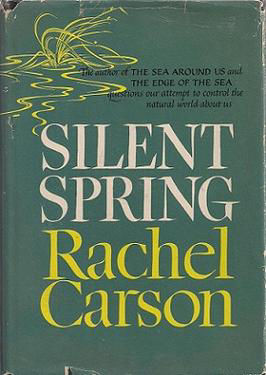
Because April 22nd is Earth Day. Stirred by factors as various as the original photo of the earth from space, Rachel Carson’s mighty environmental polemic Silent Spring and a terrible oil spill off the Californian coast - and with support from the surprisingly progressive United Auto Workers union – the original Earth Day in 1970 was intended to stir American awareness about environmental damage: the 20 million people who demonstrated that day count as the largest single-day protest in human history. The Paris Agreement on climate change mitigation, adaptation and finance was signed on 22nd April 2016, and the 100 million people worldwide who logged on for the 50th anniversary event on 22nd April 2020 count as the largest online mass mobilization in history.
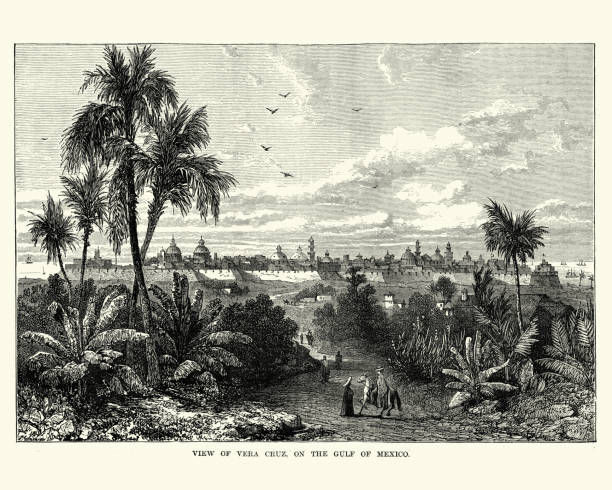
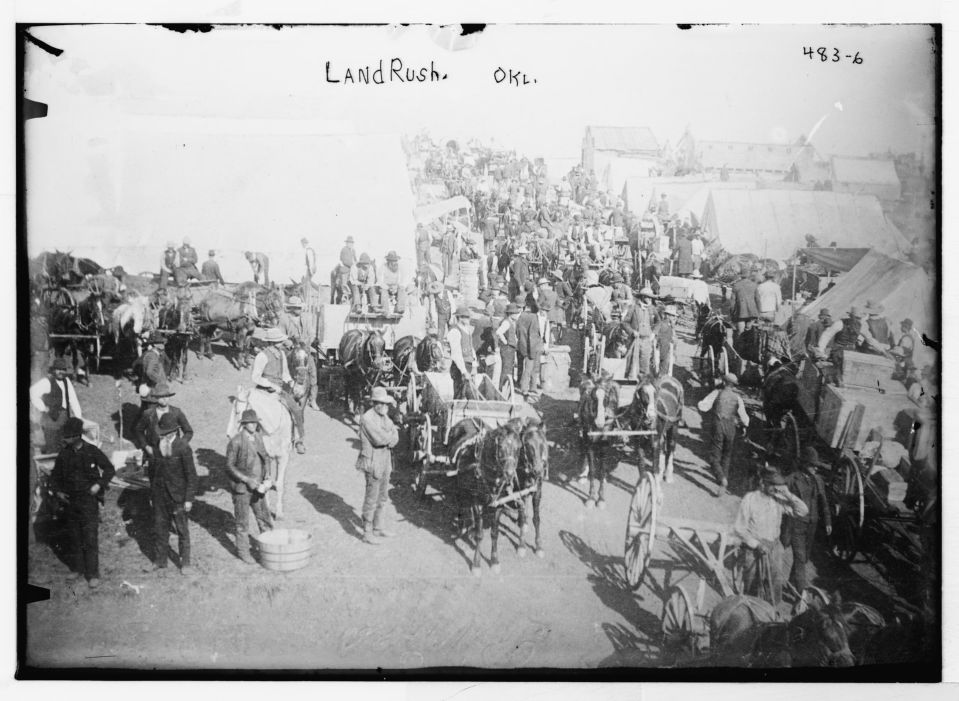
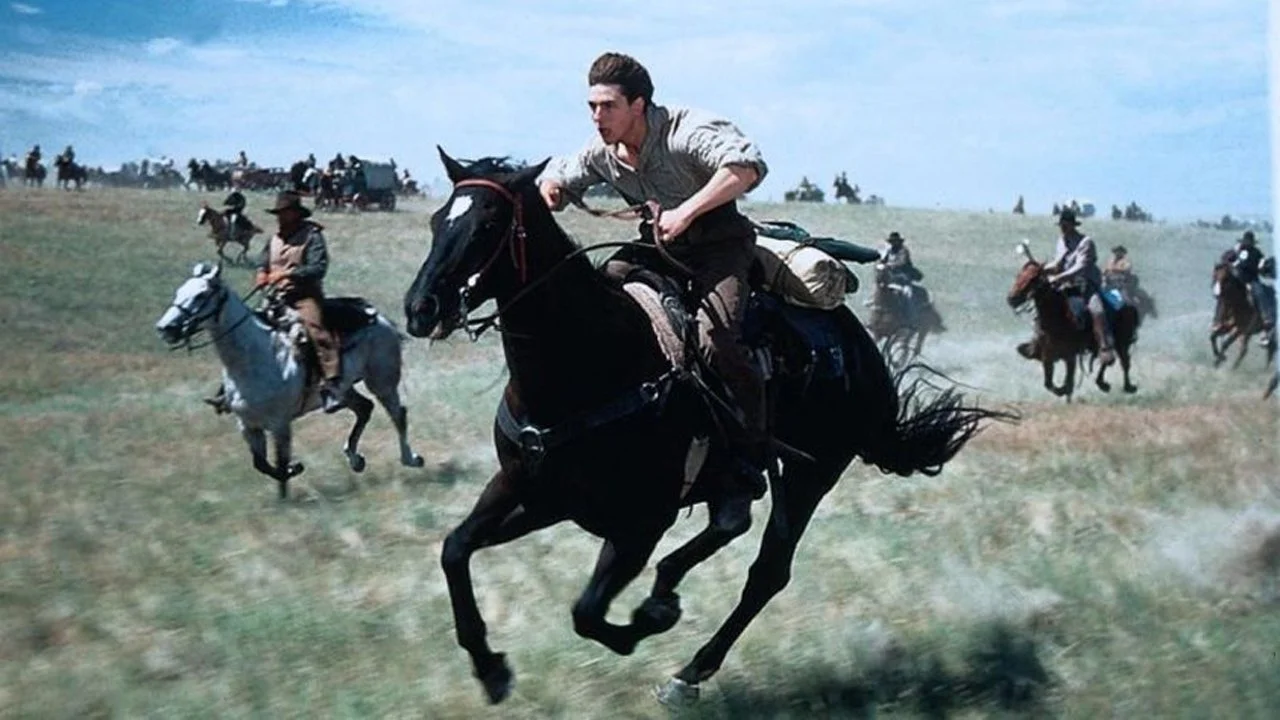
22nd April been a day of beginnings, good and bad. On this day in 1519, Spanish explorer Hernán Cortés founded a city he dedicated to the True Cross, Veracruz, in some terms the first Spanish city in the Americas and the oldest extant colonial city on the American continent. It was an exciting milestone for European expansion into the Americas, but not a happy one for the pre-existing Aztec inhabitants of the region. Guns fired at noon on 22nd April 1889 sent 50,000 people racing to claim some of the two million acres of land newly declared open for occupation in the American state of Oklahoma; Oklahoma and Guthrie cities, each with more than ten thousand inhabitants, were created in the space of six hours. It was an exciting milestone for white expansion into the American west, but not a happy one for the pre-existing Native American inhabitants who’d been chivvied onto reservations to free up the territory.
‘You can always count on a murderer for a fancy prose style.’
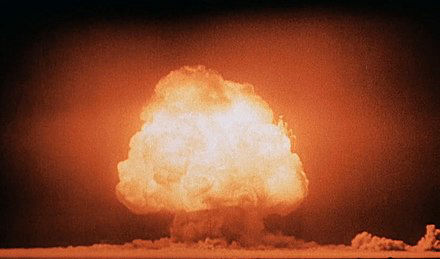
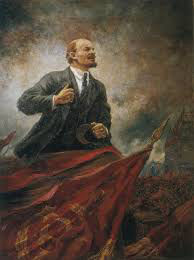
Vladimir Lenin was born on this day in 1870, the visionary energetic leader of Russia’s Bolshevik party, the October Revolution of 1917 and then the Soviet Union that it launched, perhaps the one figure who most powerfully combined the idealism and the brutality that they represented. ‘Give me four years to teach the children’, he may have said, ‘and the seed I have sown will never be uprooted.’ But also ‘A lie told often enough becomes the truth.’ The Indian Communist Party was formed on this day in 1969. Curiously, 22nd April was also the birthday of another significant Vladimir – the author Nabokov; while we’re trying to start something, we might argue that Lenin did more than most people to stimulate an American identity, and that in Lolita Nabokov did more than most people to unsettle it. 22nd April 1954 heard the start of witness testimony in the trial between Senator Joseph McCarthy and the U.S.Army, climax of America’s ‘red scare’ self-harming; one of most prominent victims of the ‘red scare’ was physicist J. Robert Oppenheimer, co-ordinator of America’s atomic bomb research, who had notoriously declared ‘I am become Death, the destroyer of worlds’ (from the Bhagavad Gita) in reaction to the first nuclear test explosion - and who exactly fifty years before the McCarthy/Army trial was born on this very same day.
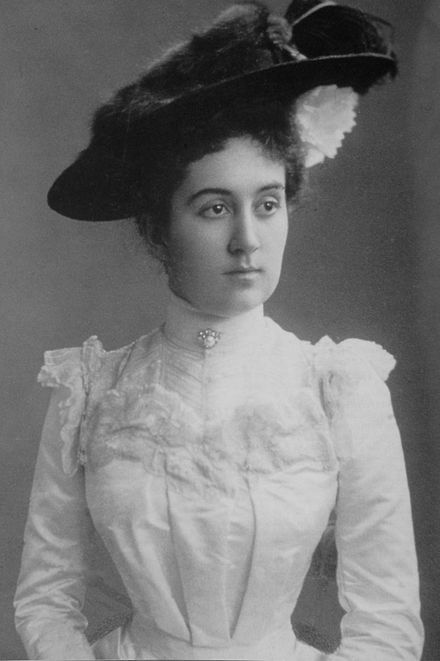
So too was the rather remarkable Xenia, Princess of Montenegro – on the 22nd of April 1881. Daughter of the King renowned as the ‘father-in-law of Europe’ for the many shrewd dynastic marriages he arranged for his girls (‘Brides Its Product; Remarkable Output of Queer Little Montenegro’ was an unfortunate-if-you-think-about-it Washington Post headline from 1904), Xenia took her own path in this – there’s an amusing newspaper article recounting just how repulsed she was by the Serbian prince who’d been lined up for her – and much else. ‘A courageous and skilled shot with a pistol or gun’, she was a pioneering motorist and photographer, one of the first of either in the country; and having chosen not to marry she became her father’s secretary and advisor. She features in No Man's Lands: eight extraordinary women in Balkan history.
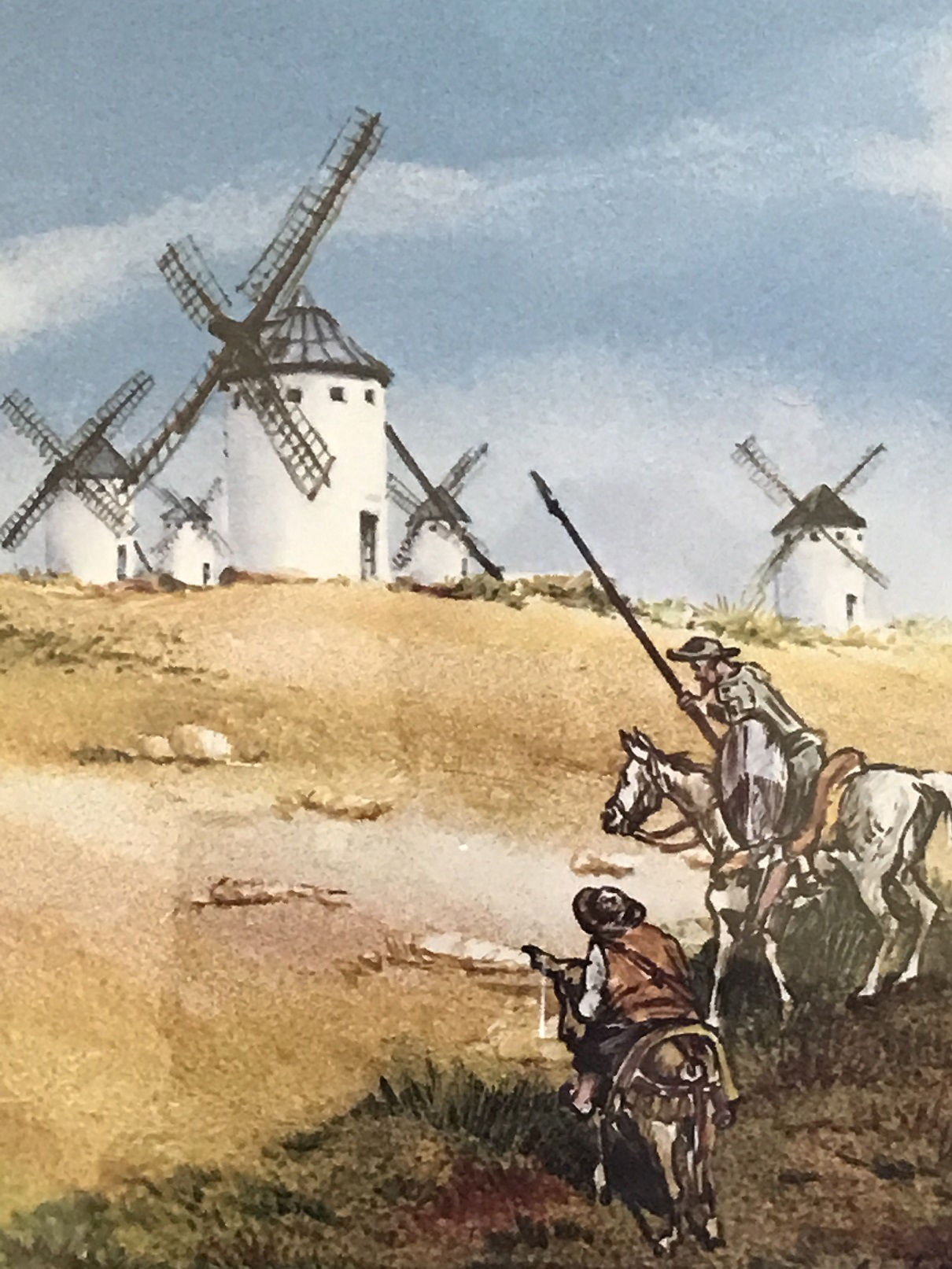
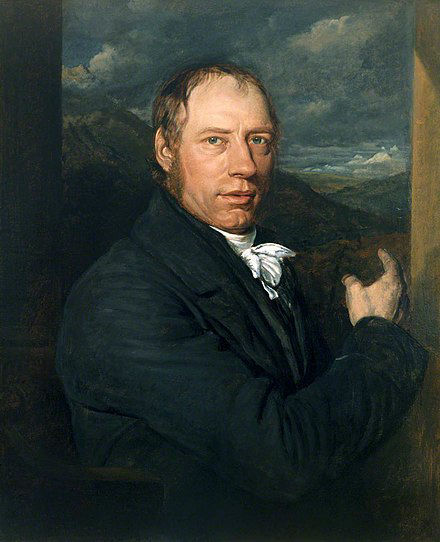
And it’s been a day of endings. Miguel de Cervantes – fighting sailor, pirate slave (his family raised enough to ransom his brother after a couple of years, but Miguel had to wait another three for his freedom), and author of arguably the first and most influential novel in history – died on April 22nd. So did Richard Trevithick, the Cornishman (and handy Cornish wrestler) who explored central America in the footsteps of the conquistadores and developed the world’s first high-pressure steam engine and the first working steam railway locomotive. His pioneering ‘Puffing Devil’ steam road locomotive blew up when its operators left it running while they went to the pub for a celebratory roast goose luncheon; history does not record whether or not the inventor quoted from Hindu scripture as he gazed on the wreckage.